


Your Roof’s Cry for Help: A Sydney Homeowner’s No-BS Survival Guide
Let’s be honest about something nobody puts in their roofing brochure: most of us only think about our roof when it starts dripping onto the dinner table. Out of sight, out of mind, until a southerly buster rolls through and suddenly there’s a bucket in the hallway and a very damp ceiling rose where your light fitting used to be.
Sydney is gorgeous, but our climate is a roof’s worst nightmare on rotation. Salty coastal air chews through metal. Summer UV bakes the paint off your tiles like a pie left in the oven too long. Then the wet season turns up and finds every weak point you’ve been ignoring since 2019. If your roof could talk, it would’ve filed a complaint by now.
This guide is the deep dive we wish someone had handed us before our last big storm season — what actually goes wrong up there, what the fixes really involve, and why a proper local roofing services Sydney crew (not a bloke with a ute and a pressure washer he borrowed from his cousin) makes all the difference. Grab a cuppa, this one’s worth the read.
Why Sydney Roofs Cop It Worse Than Most
If you’ve lived in this city more than a summer, you already know our weather doesn’t do “mild.” We swing from blistering UV days to torrential east coast lows, sometimes in the same week. Add coastal salt spray if you’re anywhere near the water, and overhanging gum trees dropping bark and leaf litter if you’re inland, and you’ve got a recipe for premature roof failure.
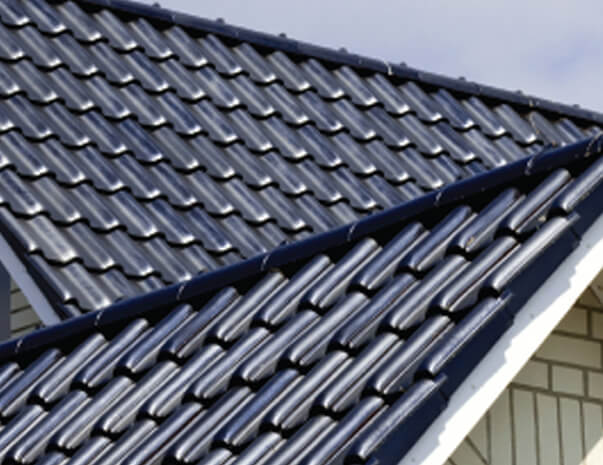
Terracotta and concrete tiles, which cover a huge chunk of Sydney’s housing stock, are porous by nature. Over years they soak up moisture, grow lichen and moss, and lose the protective coating that originally kept them watertight. Metal roofs fare differently but no better — coastal corrosion and expanding/contracting joints from our temperature swings cause rust spots and loosened fixings.
None of this is doom and gloom for the sake of it. It’s just the reality that explains why roof restoration Sydney wide is such a common search this time of year, and why putting it off tends to cost a lot more than doing it properly the first time.
The Tell-Tale Signs Your Roof Is Waving a White Flag
You don’t need to be a tradie to spot trouble early. Here’s what to look out for from the ground (binoculars optional, dignity intact):
- Dark streaks or patchy discolouration on tiles — usually mould, lichen or algae taking hold
- Sagging sections or tiles that look out of alignment, like they’ve had one too many
- Water stains creeping across your ceiling, especially after heavy rain
- Gutters overflowing during a downpour instead of draining cleanly
- Flaking or chalky paint on a previously coated roof
- Cracked or missing ridge capping along the roof’s peak
Catch any of these early and you’re usually looking at a straightforward fix. Ignore them, and you’re looking at replastered ceilings, ruined insulation, and a much bigger bill. The team at Able Roof Restoration reckon the biggest cost blowouts they see come from homeowners who waited “just one more season” before calling someone.
So What Actually Happens During a Roof Restoration?
This is where a lot of homeowners get confused, because “roof restoration” gets thrown around as a catch-all term by half the industry. A genuine roof restoration isn’t a single job — it’s a sequence of trade-specific steps, each one setting up the next.
Step one is the inspection. A proper crew gets up there (safely, with the right gear) and checks every tile, ridge cap, valley and flashing point. This isn’t a five-minute glance from the gutter — it’s the stage that determines whether you genuinely need a full restoration or just a targeted repair.
Step two is the clean. High-pressure washing strips years of grime, moss and lichen back to bare tile or metal. This sounds simple but it’s a skilled job — too much pressure in the wrong spot can crack ageing tiles or strip protective coatings you actually want to keep.
Step three is the repair work. Cracked tiles get swapped out, loose ridge capping gets re-bedded and re-pointed with flexible, weather-rated material (the old-school rigid mortar cracks again within a few years — a detail a lot of cheaper outfits skip), and any flashing around chimneys, skylights or vents gets resealed.
Step four is the finish. A sealing and coating system gets applied, locking out moisture and giving your roof a finish that can genuinely look brand new from the street. This is also where colour choice comes into play if you’re after a refresh.
Done properly, the whole process can add a solid decade or more onto your roof’s working life — at a fraction of the cost of a full re-roof. That’s the value proposition in a nutshell.
When It’s a Repair, Not a Restoration
Not every roof problem needs the full treatment. Sometimes it’s one cracked tile after a storm, a section of flashing that’s lifted, or a leak that’s localised to a single spot. This is where roof repair work comes into its own — fast, targeted, and aimed at stopping the problem before it spreads.
The trick with leak detection is that water rarely drips straight down from where it enters. It tracks along battens and sarking before finding the path of least resistance into your ceiling cavity, which means the stain on your ceiling might be metres away from the actual entry point. This is exactly why DIY leak chasing tends to go sideways — you patch the spot above the stain and the leak just reappears next storm. A proper leaking roof repair Sydney job starts with tracing the water back to its actual source.
Common repair triggers in Sydney homes include storm-damaged tiles, deteriorated pointing on ridge caps, perished flashing around skylights and chimneys, and rusted-through sections on older metal roofs. None of these are emergencies if caught early — but every one of them gets worse, fast, if left through a wet season.
Why Roof Painting Is More Than Just a Colour Swap
There’s a tendency to think of roof repainting Sydney services as a cosmetic exercise — slap on some colour, make the place look nicer for the street. That’s only half the story. A quality roof painting system is a genuine protective layer, not just paint.
Modern roof coatings are formulated to reflect UV, resist mould regrowth and flex with thermal movement instead of cracking. In a city where roof surfaces can swing from 15°C to 70-odd degrees on a sunny tile in summer, that flexibility matters more than people realise. A roof that’s been freshly coated also tends to run noticeably cooler inside the home — which your air conditioning bill will quietly thank you for.
And yes, it does wonders for kerb appeal. There’s a reason real estate agents push roof restoration before a sale — a tired, streaky roof drags the whole street-view impression of a home down, no matter how nice the renovated kitchen is.
Pressure Cleaning: The Unsung Hero Job
Of every service on offer, pressure roof cleaning Sydney work is probably the most underrated. People assume it’s purely aesthetic — get rid of the green fuzz, make it look tidy. In reality, roof cleaning is preventative maintenance in disguise.
Lichen and moss don’t just sit on the surface — their root structures work into the porous surface of concrete and terracotta tiles, gradually breaking them down and holding moisture against the tile long after rain has stopped. Left long enough, that moisture retention accelerates exactly the kind of decay that eventually leads to leaks.
A controlled, professional pressure clean — done at the right PSI for your specific roof material not blasted on full power like a driveway clean — strips that buildup safely without cracking tiles or stripping coatings you want to keep. It’s also, frankly, oddly satisfying to watch. Before-and-after roof clean photos are basically free entertainment for the whole street.
Gutters: Small Job, Big Consequences
Of all the roof-adjacent jobs that get neglected, gutter cleaning Sydney homeowners skip most often is probably the costliest mistake on this whole list. It’s an easy one to put off — gutters are out of sight, the job sounds tedious, and nothing seems urgent until the next storm proves otherwise.
Here’s the chain reaction nobody thinks about: blocked gutters overflow during heavy rain, that overflow runs down your fascia and walls instead of through the downpipe, and over time that constant water exposure rots fascia boards, undermines roof edges, and in some cases tracks moisture straight into your eaves and ceiling cavity. What looks like a roof leak is, surprisingly often, actually a gutter problem in disguise.
The fix is straightforward: regular clearing of leaves, twigs and the general debris an inner-city tree canopy or a leafy northern suburb backyard throws at you, plus a check that downpipes are actually flowing freely rather than just looking clear at the opening. Worth checking out the full guttering service range if it’s been more than a year since yours had any attention — particularly before storm season hits.
DIY vs Calling in the Pros — a Reality Check
Look, plenty of home maintenance is genuinely DIY-able. Roofs are not one of them, and this isn’t a sales pitch — it’s physics. A pitched tile roof is a serious fall hazard, the surface itself is more fragile than it looks (concrete and terracotta tiles crack underfoot more easily than people expect), and getting leak detection wrong means paying for the same fix twice.
There’s also a knowledge gap that’s easy to underestimate. Knowing which mortar mix flexes with thermal movement instead of cracking again in two years, knowing the right pressure setting for 30-year-old terracotta versus newer concrete tiles, knowing how to properly flash around a skylight so it doesn’t leak the moment the wind changes direction — that’s not weekend-warrior knowledge, it’s trade experience built up over actual jobs gone right and wrong.
None of which means you can’t keep an eye on things yourself between professional check-ups. A pair of binoculars from the backyard twice a year, a quick gutter peek after big storms and trimming back overhanging branches will all genuinely help. Just leave the climbing, cutting and coating to the people insured and equipped to do it safely.
What a Proper Roofing Job Should Look Like, Start to Finish
If you’re vetting roofers Sydney wide and trying to separate the professionals from the fly-by-nighters, here’s a rough sense of what a properly run job looks like:
- A genuine on-site inspection with photo documentation before any quote is given
- A clear, itemised quote — no vague “we’ll see once we’re up there” pricing
- Licensed, insured tradespeople who can actually show you the paperwork if asked
- A workmanship warranty that’s spelled out in writing, not just promised verbally
- A tidy site handover — no leftover tile shards or paint tins left behind on your lawn
It’s a reasonable checklist, and honestly most cowboys fall over on at least two of those five points.
A Quick Word on Timing
Sydney’s roofing demand spikes hard right before and right after storm season, which means booking lead times stretch out and emergency callouts cost more. The smart move, if your roof’s overdue for attention, is getting an inspection booked in the quieter months — autumn and late winter tend to have more availability — rather than waiting until you’re competing with every other panicked homeowner post-storm.
It’s the same logic as servicing your car before the long road trip rather than after it breaks down on the highway. Mildly annoying to organise in advance, far less annoying than the alternative.
Wrapping It Up
Your roof does a genuinely thankless job — copping the sun, the salt, the storms and the bird mess, all so the inside of your house stays dry and your insurance premium stays low. Giving it a proper inspection, clean, and the occasional restoration isn’t an indulgence, it’s just sensible homeownership.
If you’ve read this far and started mentally cataloguing every suspicious stain on your ceiling, that’s probably your cue. Head over to Able Roof Restoration’s full range of services or check out who they are and what they stand for and get a proper set of eyes on your roof before the next big system rolls through. Future you, sitting dry and smug during the next downpour, will say thanks.
