


Let’s get something out of the way first. Nobody, anywhere, has ever woken up excited to clean their gutters. It’s not a hobby. It’s not “self-care.” It’s the home maintenance equivalent of flossing — everyone knows they should do it, almost nobody enjoys it, and the consequences of skipping it only show up months later when you’re least prepared for them (usually halfway through a Sydney downpour, standing under a waterfall that’s supposed to be your back patio).
But here’s the thing about gutters: they’re doing an enormous amount of unglamorous, unpaid work to keep your house standing. And when Sydney’s weather turns — which, let’s be honest, it does with almost theatrical enthusiasm — a blocked gutter or a dodgy downpipe stops being a “we’ll get to it” job and becomes a genuine threat to your roof, your walls, and your bank balance.
This guide is the no-nonsense rundown on gutter cleaning Sydney homeowners actually need, why gutter repair Sydney-wide is more urgent than people think, when gutter replacement is the smarter long-term call, and how all of it ties back into the bigger picture: your roof’s overall health. We’ll also wander into roof safety inspection and pre purchase roof inspection territory, because if you’re buying a home in this city, your gutters and roof are about to become your problem whether you like it or not.
Why Sydney Gutters Cop It Worse Than Most
Sydney isn’t a gentle climate for guttering. We get salty coastal air eating away at metal in the eastern suburbs, gum trees dropping bark and leaf litter like confetti across the North Shore and Hills District, and storm seasons that can dump more rain in an hour than some cities see in a month. Add humidity, the odd hailstorm, and a housing stock that ranges from heritage terraces to brand-new builds, and you’ve got a city where gutters work overtime almost year-round.
If you want to understand exactly how your gutter system fits together — fascias, downpipes, valleys, the lot — it’s worth a read through how the different parts of your roof’s drainage actually work together. Once you know what each piece is meant to be doing, it’s a lot easier to spot when something’s going wrong.
The Blocked Gutter Domino Effect
Here’s what nobody tells you when you’re putting off a clean for “just one more season”: a blocked gutter doesn’t fail quietly. It fails like a chain reaction.
Leaves and debris pile up. Water can’t drain, so it pools. Pooled water sits against your fascia boards and roof sheeting, slowly rotting timber and corroding metal that was never designed to be permanently wet. Eventually it overflows — not always where you’d expect — and starts tracking down your exterior walls, behind cladding, or worse, finding a gap and heading straight into your ceiling cavity.
By the time you see a water stain on the ceiling, the damage has usually been building for months. That’s the sneaky part. Gutters don’t send a polite warning text. They just quietly let your house soak.
This is exactly why downpipe cleaning Sydney wide matters just as much as the gutters themselves. A spotless gutter run with a blocked downpipe is like a clear hallway leading to a locked door — the water still has nowhere to go. Downpipes get clogged with compacted leaf mulch, the odd tennis ball, even possum debris (yes, really), and a blockage there can be harder to spot than an overflowing gutter because it’s often hidden inside the wall cavity.
DIY or Call in the Professionals?
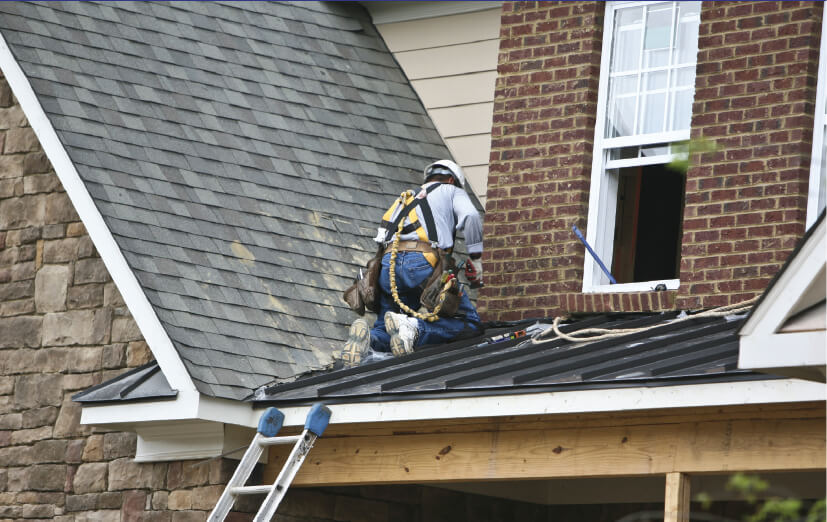
Look, plenty of Sydneysiders are handy enough to climb a ladder and scoop out a single-storey gutter on a calm Saturday. No judgement there. But a few honest points worth weighing up:
- A huge number of preventable home injuries each year involve ladders and roof work — it’s not fear-mongering, it’s just physics meeting gravity.
- Two-storey homes, steep pitches, tiled roofs and anything near power lines push the job well past “weekend warrior” territory.
- A proper clean isn’t just scooping leaves — it includes checking for rust spots, sagging brackets, loose joints, and signs your gutters are pulling away from the fascia, things an untrained eye tends to miss entirely.
- What looks like a simple blockage can actually be a symptom of a bigger issue, like incorrect gutter pitch or a roof valley quietly failing underneath.
That’s the real value a professional crew brings — not just removing the gunk, but reading the condition of the whole system while they’re up there. If you’d like a clear breakdown of what’s actually involved in a professional clean and repair, the guttering service page walks through it without the usual sales fluff.
Gutter Repair: Catching Problems Before They Become Disasters
Not every gutter issue needs a full replacement, and honestly, anyone who tells you otherwise straight off the bat is probably trying to upsell you. Common, fixable issues include:
- Sagging sections caused by loose or rusted brackets — usually a straightforward re-fix, not a full tear-out.
- Leaking joints where two gutter lengths meet, often resealable rather than replaceable.
- Rust spots on older steel gutters, which can sometimes be treated and reinforced if caught early.
- Pinhole leaks that show up as random drip marks along the gutter line during rain.
- Incorrect fall (pitch), where water pools instead of draining toward the downpipe — a fixable adjustment, not a structural failure.
The trick is catching these early, because every one of those small issues, left alone, eventually graduates into something far more expensive. A sagging bracket today is a collapsed gutter section during next year’s storm season.
When Replacement Actually Makes Sense
Sometimes repair just isn’t the smart money move, and a straight-talking roofer will tell you that rather than patching things up for the third time in two years. Replacement tends to make sense when:
- The gutters are original to a 30-plus-year-old home and made from outdated materials that simply don’t hold up anymore.
- Rust has gone past surface level and started eating into the structural strength of the gutter.
- You’re renovating or re-roofing anyway, and matching new guttering to the job makes far more sense than working around old infrastructure.
- You’ve had repeated repairs in the same spots — at some point, that’s the gutter telling you it’s done.
Modern gutter systems also do a noticeably better job of handling Sydney’s heavier rain events, simply because materials and design have improved. If you’re weighing up whether your current setup is still pulling its weight, this rundown on upgrading your roof’s exterior systems is a handy read before committing to anything.
Roof Safety Inspection: The Bit Everyone Skips Until It’s Too Late
A roof safety inspection isn’t just about gutters — it’s the full health check. Think of it like a car service. You wouldn’t only check the tyres and ignore the engine, brakes, and oil. A proper inspection looks at:
- Tile or sheet condition, including cracking, slipping, or corrosion
- Flashing around chimneys, vents, and skylights — a notorious leak point
- Ridge capping and pointing, especially on older tiled roofs
- Roof valleys, where debris loves to silently build up
- Gutters, downpipes, and overall drainage flow
- Any signs of sagging, movement, or structural concern
A roof condition assessment done properly gives you a clear, documented picture of where your roof currently sits — not guesswork, not a quick squint from the driveway. It’s the kind of thing that turns “I think my roof’s probably fine” into “I know exactly what state my roof is in and what it needs over the next five years.”
For a deeper look into why this matters so much in a city like Sydney, this explainer on the real cost of skipping roof upkeep lays out the numbers in a way that’s genuinely sobering — in a useful way, not a doom-and-gloom way.
Buying a House? Don’t Skip the Pre-Purchase Roof Inspection
If you’re in the market for a new home, here’s a slightly uncomfortable truth: the roof is one of the most expensive parts of a house to fix, and also one of the easiest for a seller to quietly ignore until settlement day. A pre purchase roof inspection is cheap insurance against inheriting somebody else’s deferred maintenance bill.
A thorough inspection before you sign anything should cover:
- Remaining lifespan of the roofing material
- Structural integrity of the roof frame
- Condition of gutters, downpipes, and drainage
- Evidence of past leaks or water damage in the ceiling cavity
- Flashing, sealant, and ridge capping condition
Buyers who skip this step are essentially gambling that the roof they can’t fully see is in good shape. Sometimes it is. Often, especially with older Sydney homes, it isn’t — and gutters are usually the first place that gives the game away, because neglected guttering almost always points to neglected roofing overall.
How Often Should You Actually Be Doing This?
As a rough, sensible rule for most Sydney properties:
- Twice a year minimum — once before storm season ramps up and once after the heavy autumn leaf drop.
- Quarterly if you’re surrounded by gum trees, jacarandas, or anything that sheds like it’s getting paid per leaf.
- After major storms, give your gutters and roof a once-over regardless of when your last clean was.
- Every few years, pair your routine clean with a full roof condition assessment, not just a gutter scoop.
It sounds like a lot until you compare it to the alternative: a ceiling replacement, mould remediation, or structural repairs that cost many multiples of what regular upkeep would have.
The Bottom Line
Gutters are unglamorous. Nobody’s putting “beautifully maintained downpipes” on their Tinder bio. But they’re also one of the cheapest, most effective ways to protect the single biggest investment most people will ever make — their home. Whether it’s a routine clean, a repair on a sagging section, a full replacement, or a proper roof safety inspection before you buy or sell, getting on top of it now is always cheaper than fixing the fallout later.
If you’re after more detail on any of the specifics — seasonal timing, what tools professionals actually use, how to read warning signs from the ground — there’s a solid library of articles over on the roofing knowledge hub worth bookmarking.
And if you’d rather skip the ladder altogether and get someone who actually does this for a living to take a look, the team’s full range of roofing and gutter services covers everything from a straightforward clean to a complete roof condition assessment. You can also head over to the Able Roof Restoration homepage to see the full picture of what’s on offer across Sydney.
Your gutters have been quietly carrying water away from your home for years without so much as a thank you. Maybe it’s time they got a bit of attention back.
